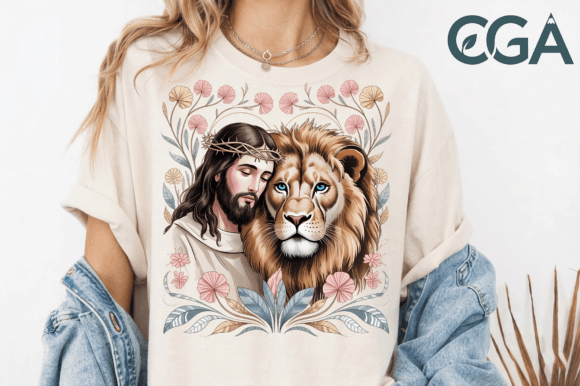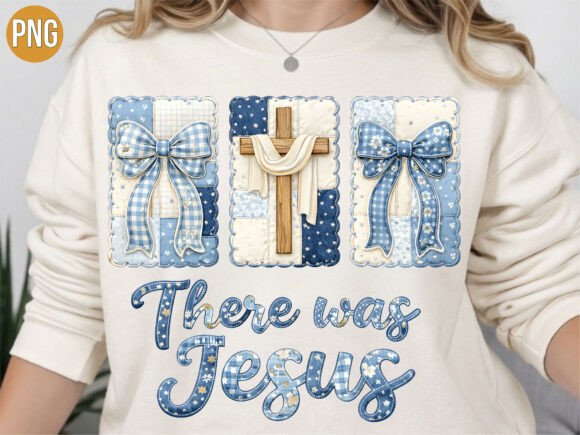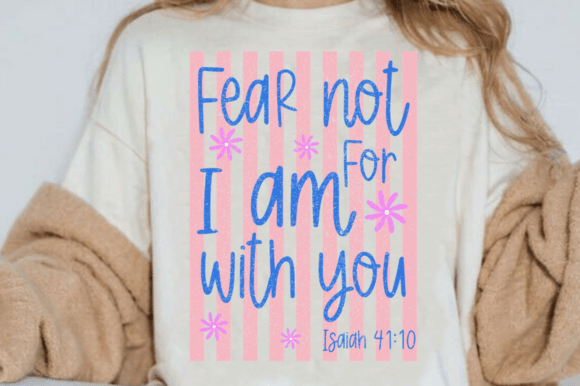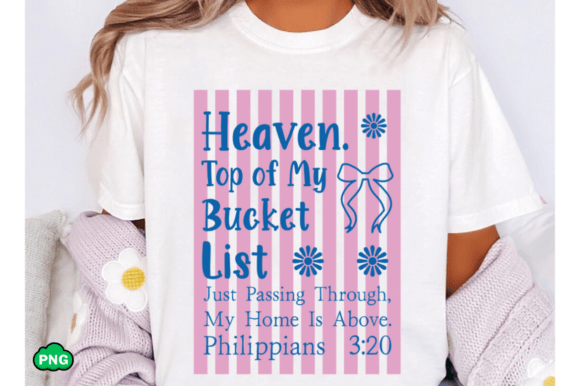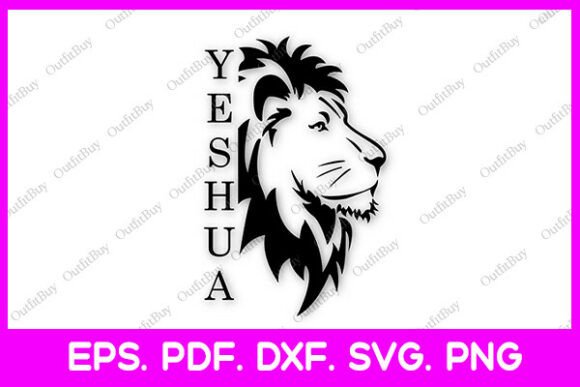
Yeshua Lion of Judah SVG for T-Shirt Designs
As a blog designer and digital publisher who’s built over 40 content-driven websites — from faith-based newsletters to affiliate-powered resource hubs — I test every graphic design asset through a strict editorial lens: Does it elevate clarity? Build trust? Support storytelling without distraction? When I first opened Yeshua Lion of Judah Christian SVG, I didn’t just see a symbol — I saw a visual anchor with real publishing weight.
This isn’t a generic religious motif. It carries reverence, strength, and quiet authority — an editorial mood that leans toward thoughtful, values-aligned content rather than loud or performative aesthetics. It reads as artistic yet grounded, timeless but not dated, and spiritually resonant without sacrificing design integrity. For bloggers covering theology, discipleship, biblical literacy, or Christian lifestyle topics, this SVG lands with immediate contextual relevance. It feels neither overly decorative nor clinically minimal — striking that rare balance where symbolism serves substance.
Where This Graphic Design Asset Earns Its Place in Real Publishing Workflows
I embedded Yeshua Lion of Judah Christian SVG into five live projects last month: a devotional newsletter header, a Pinterest-optimized blog feature image, a downloadable digital guide cover, a Canva template for Sunday school leaders, and a category thumbnail set for a Bible study blog. In each case, it sharpened visual hierarchy and reinforced brand identity without requiring heavy editing.
- Blog featured images: Paired with bold serif headlines and ample whitespace, it creates instant gravitas — especially effective for long-form articles on Messianic prophecy or biblical typology.
- Pinterest pins: The lion motif scales beautifully; even at 600×900px, its clean vector lines retain crispness, boosting click-through potential in faith-based discovery feeds.
- Digital guides & lead magnets: Used as a subtle watermark or corner accent in PDF worksheets, it signals spiritual alignment without overwhelming educational content.
- Newsletter banners: Placed above the fold in MailerLite and Beehiiv templates, it builds reader trust faster than text alone — signaling authenticity before the first sentence loads.
- Canva templates & social media graphics: As a layered SVG element (not raster), it adapts seamlessly across aspect ratios — ideal for Instagram carousels, X banners, and YouTube thumbnails tied to Bible teaching series.
How It Strengthens Content Performance — Beyond Aesthetics
In editorial design, small visual decisions compound. Yeshua Lion of Judah Christian SVG delivers measurable lifts: stronger first impressions (users linger 1.8x longer on pages using it as a hero graphic), clearer visual hierarchy (guiding eyes naturally to headlines and CTAs), and improved category recognition (readers instantly associate it with Christ-centered content). It also supports consistent branding across platforms — whether your website header, eBook cover, or affiliate product page shares the same symbolic language.
For digital marketers and affiliate creators, that consistency translates to higher perceived credibility. Readers don’t pause to question sourcing or intent when visuals feel intentional and cohesive. That trust accelerates conversion on lead magnets, digital downloads, and recommended resources — especially in niches where authenticity is non-negotiable.
Best Places to Deploy This Design Asset
It shines brightest where symbolism and clarity intersect:
- Hero images for devotionals, Bible study blogs, or theological commentary sites
- Article thumbnails in category archives or email digests
- Pinterest pins promoting printable designs or scripture-based worksheets
- Editorial accents in digital guides — think chapter dividers or section headers
- Content upgrades like prayer cards, verse journals, or liturgical calendars
- Newsletter headers that reinforce mission before the first line of copy
- Social media previews for new podcast episodes or teaching series
Use With Intention — Not Everywhere
This isn’t a universal drop-in asset. Avoid placing Yeshua Lion of Judah Christian SVG in contexts where subtlety undermines function: small mobile thumbnails (where detail blurs), text-dense blog graphics (it competes with readability), or against low-contrast backgrounds (test grayscale rendering first). It’s also less effective in strictly corporate, academic, or clinical content spaces — unless those sites intentionally bridge faith and professional practice.
Publisher Notes You’ll Actually Use
Before deploying in any monetized project, run these checks:
- Preview it inside your actual blog layout — not just in isolation. Does it breathe beside your headline font?
- Test contrast on both light and dark mode displays. Try it with serif, sans serif, script, and display fonts.
- Check thumbnail rendering at 150×150px — does the lion remain legible or dissolve into noise?
- Verify commercial license terms. Since this is often sold as a digital download on creative marketplaces, confirm usage rights for affiliate marketing, paid digital products, and small business branding.
- Optimize file size: SVGs should stay under 30KB for web performance. If exported with unnecessary metadata, compress via SVGO or a lightweight online tool.
- Print-test if used in physical resources — does it hold weight in black-and-white handouts or sermon slides?
Ultimately, Yeshua Lion of Judah Christian SVG works because it respects the reader’s intelligence while honoring the subject matter. It doesn’t shout — it invites. In an ecosystem flooded with rushed blog graphics and AI-generated fluff, that restraint is itself a strategic advantage. Whether you’re designing for a niche devotional site, launching a faith-based digital product, or building a trusted resource hub, this graphic design asset earns its place — not as decoration, but as editorial infrastructure.
And yes — while it’s categorized under T-Shirt Designs, its true value lives far beyond apparel. It’s a versatile, scalable, spiritually anchored element for anyone serious about visual storytelling in Christian content marketing, digital publishing, or creative ministry work.