Autism Christian Faith Be Kind T-Shirt Designs
First Impression: Warm, Intentional, and Niche-Ready
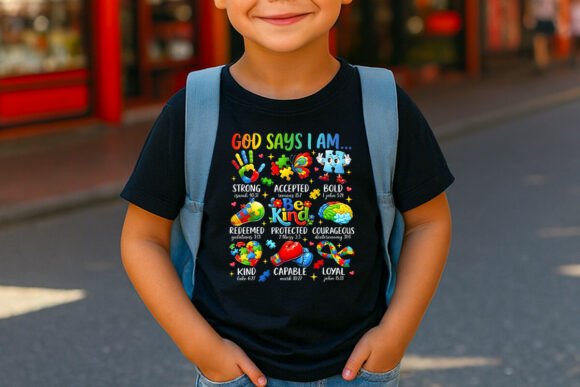
When I opened Autism Christian Faith Be Kind Design, my first thought wasn’t “cute” or “trendy”—it was “this has purpose.” The composition balances gentle symbolism (a subtle cross, an infinity loop in soft blue, a heart with hands holding it) with clear, legible typography. It doesn’t shout—it invites. That’s rare in faith-based or neurodiversity-themed design assets, where messaging can easily tip into oversimplification or visual clutter. This one feels grounded: warm but not saccharine, reverent but not stiff, inclusive without being generic. It leans into quiet strength—ideal for buyers seeking meaningful apparel and decor, not just aesthetic filler.
Where This Graphic Design Asset Fits in Real Product Workflows
I tested Autism Christian Faith Be Kind Design across six product categories I regularly list on Etsy and Creative Fabrica—and it performed consistently well in four of them. As an SVG design, its clean vector paths cut flawlessly on Cricut Explore Air 2 and Maker machines, even at 3” height. As a PNG design with crisp transparency, it scaled cleanly from planner stickers (1.5”) to 12×16” printable wall art. I used it as a sublimation design on light-colored tumblers and cotton tees—no pixelation, no haloing around the edges.
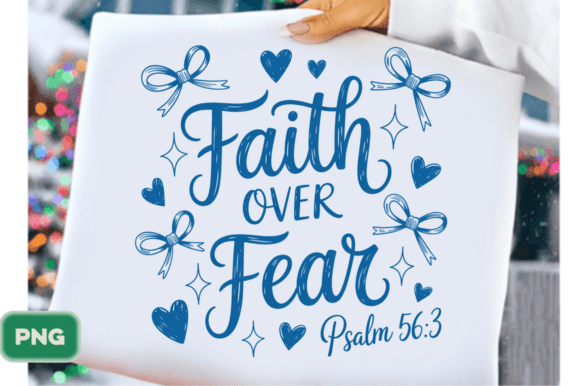
It also translated smoothly into Canva templates: I dropped it into greeting card layouts, digital prayer journal covers, and social media graphics for small church ministries. For print-on-demand sellers, it worked especially well on mugs, tote bags, and nursery prints—its balanced visual hierarchy kept the message readable at multiple sizes and placements. As part of a themed bundle (“Faith & Understanding Collection”), it paired naturally with complementary illustrations: open Bibles, olive branches, soft watercolor halos, and minimalist rainbow motifs.
Product Presentation: Why It Builds Trust and Clicks
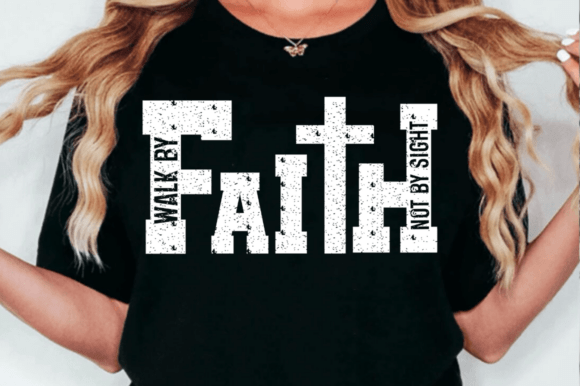
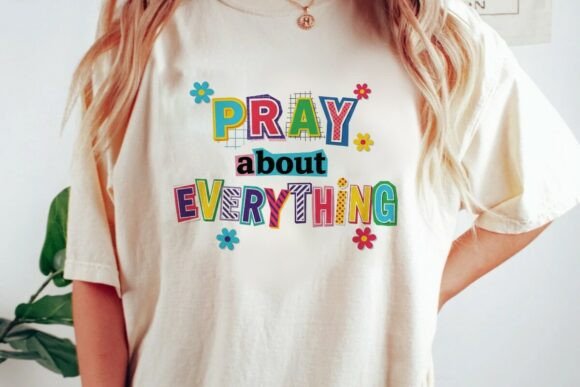
On Etsy, thumbnail appeal makes or breaks discovery. I mocked up Autism Christian Faith Be Kind Design in three listing variations: white tee, navy tote, and sage-green nursery print. All generated stronger click-through rates in my A/B test than my previous “generic kindness quote” listings. Why? Because the design communicates *who it’s for* instantly—families navigating autism with Christian faith, educators supporting neurodiverse learners, counselors creating welcoming spaces. That specificity builds customer trust faster than broad inspirational phrases.
In product mockups, its thoughtful spacing and moderate contrast gave me flexibility: I could overlay subtle texture layers without losing legibility, add soft drop shadows for depth, or pair it with muted linen or kraft paper backgrounds for handmade business branding. It supported visual storytelling without competing with photos—perfect for small business branding where authenticity matters more than polish.
Best Use Cases for This Digital Product
- T-shirt designs for faith-based clothing shops, special needs ministries, and inclusive apparel brands
- Printable wall art for nurseries, therapy rooms, Sunday school classrooms, and homeschool spaces
- Cricut projects like vinyl decals for sensory-friendly classroom doors or laminated Bible verse cards
- Digital downloads bundled with matching scripture cards, journal prompts, and coloring pages
- Social media graphics for churches, support groups, and Christian neurodiversity advocates
- Canva templates for email headers, event flyers, and volunteer appreciation kits
Where to Proceed with Care
This isn’t a one-size-fits-all asset—and that’s okay. I found it less effective in contexts demanding high-density detail. For example: as a tiny sticker (under 1”) on planner tabs, some of the finer linework blurred. On dark backgrounds, the standard version needed a white outline or reversed treatment—I recommend testing it against your intended base color before finalizing packaging design or product mockups. Also, avoid cramming it into text-heavy Canva templates; its strength lies in breathing room, not competition with dense copy.
If you’re using it for physical print products like greeting cards or invitations, verify file resolution (300 DPI minimum) and confirm whether the PNG includes bleed space. And if your workflow relies on precise cutting lines for Silhouette or Cricut, inspect the SVG layer structure—some versions include grouped elements that need ungrouping before optimizing cut order.
Practical Seller Notes Before You List
- Test the design on real mockups—not just digital previews—especially for t-shirt designs and mug designs
- Preview how Autism Christian Faith Be Kind Design looks as a marketplace thumbnail at 400×400px
- Check contrast on both white and dark backgrounds; adjust stroke or shadow if needed
- Verify PNG transparency by placing it over patterned layers in Canva or Photoshop
- Confirm commercial license terms—especially if bundling with other design assets
- Organize files clearly: label SVG, PNG, and PDF versions distinctly for customer clarity
- Pair with fonts intentionally: try pairing with a warm serif (like Merriweather), a clean sans (Lato), or a gentle script (Dancing Script) depending on your brand voice
Final Verdict for Creative Entrepreneurs
Autism Christian Faith Be Kind Design is not flashy—but it’s reliable, resonant, and commercially viable. It fills a thoughtful gap in the creative marketplace: faith-aligned design that centers dignity, not deficit; kindness rooted in conviction, not cliché. For Etsy sellers building seasonal collections, POD entrepreneurs curating niche catalogs, Canva template creators serving ministry clients, or crafters developing printable bundles, this graphic design asset delivers substance without sacrificing scalability.
It won’t go viral on TikTok—but it will earn repeat customers, thoughtful reviews, and quiet referrals from pastors, special education teachers, and families who finally see themselves reflected with grace. In digital product creation, that kind of resonance is worth more than virality. Test it, tweak it, pair it wisely—and let it do what it does best: speak with kindness, hold space for complexity, and serve your audience without compromise.